
Release Context & Why This Matters
Geographically distributed users suffer painfully when every single auth check or catalog page makes a 90ms cross-ocean round trip to one centralized us-east-1 database. Turso and the open-source libSQL fork solve this by putting read replicas directly inside your application process.
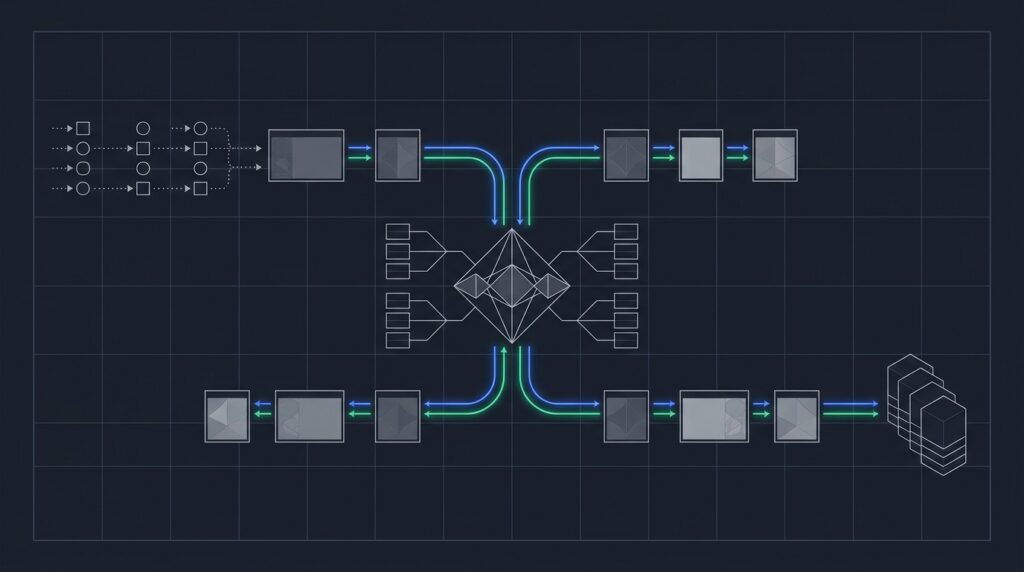
Using embedded replicas, an API worker in Frankfurt, Tokyo, or Mumbai executes SQL queries straight against a synced local SQLite file in microseconds, while forwarding write mutations automatically to the authoritative cloud primary and streaming WAL frames back down.
Technical Mechanics & Reference Code
Multi-tenant SaaS architectures further leverage database-per-tenant patterns in Turso—guaranteeing physical storage isolation between enterprise customers without provisioning thousands of expensive RDS clusters.
import { createClient } from '@libsql/client';

const db = createClient({
  url: 'file:/var/lib/app/replica.db',
  syncUrl: process.env.TURSO_DATABASE_URL,
  authToken: process.env.TURSO_AUTH_TOKEN,
});
await db.sync();
Verified Operational Benchmarks
Read-heavy edge portals, feature-flag registries, and multi-region SaaS metadata tiers reap dramatic p95 latency wins without managing complex Redis cache invalidation.
- Primary Delta: Sub-millisecond read queries served straight from container NVMe with async cloud sync
- Reliability Gate: Automated WAL frame replication isolating per-tenant micro-databases cleanly
- Ownership Boundary: 100% client-owned infrastructure & upgrade tooling verified by Randeep Kaur
Adoption & Upgrade Checklist
- Benchmark .sync() background intervals so stale-read tolerances match product SLAs.
- Use database-per-tenant namespaces when strict tenant export or cryptographic erasure is mandated.
- Keep write paths idempotent so mobile/edge retries over HTTP never duplicate rows.