
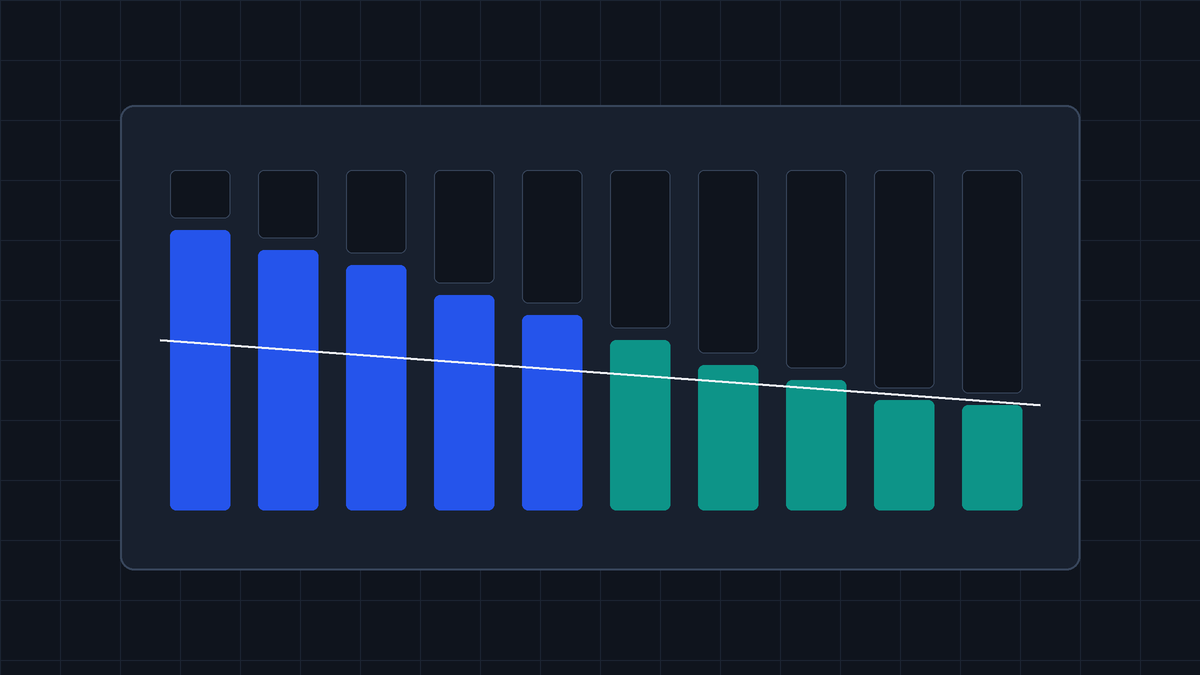
Cloud infrastructure bills rarely spike because a single engineer leaves a test cluster running over the weekend. Across mid-market and enterprise SaaS organizations, 35% to 45% of wasted cloud spend stems from compounding architectural defaults: unaligned availability-zone traffic, generous static CPU/memory reservations, and unmanaged observability ingestion.
1. Cross-AZ Network Egress Tax
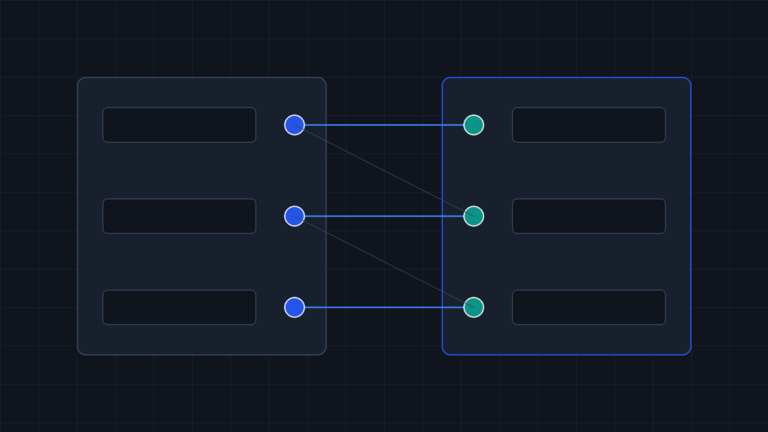
By default, Kubernetes Services distribute pod traffic round-robin across all three availability zones in a region. When high-chat microservices communicate across three zones, enterprises pay regional data transfer charges on every internal RPC call—often totaling tens of thousands per month in silent network tax.
Enforcing Topology-Aware Routing in Production
Applying topology hints keeps intra-service traffic pinned inside the originating availability zone unless local pod capacity drops below safe thresholds:
apiVersion: v1
kind: Service
metadata:
  name: ledger-settlement-core
  annotations:
    service.kubernetes.io/topology-mode: Auto
spec:
  selector:
    app: ledger-settlement-core
  ports:
    - protocol: TCP
      port: 8443
      targetPort: 8443
2. Right-Sizing Vertical Requests Against P99 Telemetry
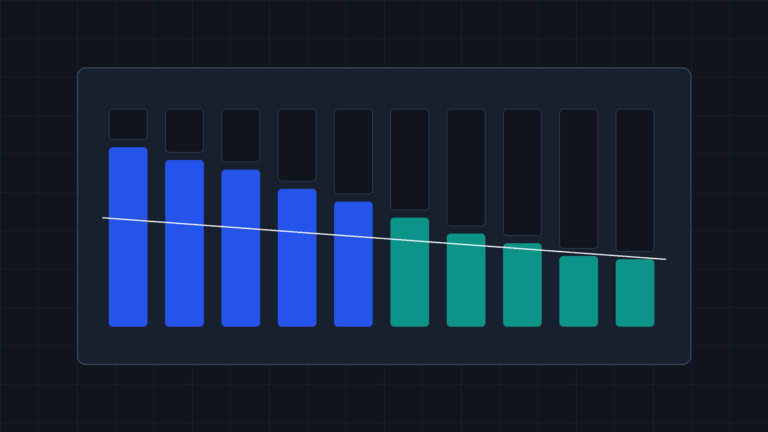
Developers routinely request 2 vCPUs and 4GiB of memory for containers that average 120mCPU under peak load. Over a 400-service fleet, that defensive padding forces AWS or GCP autoscalers to spin up dozens of under-utilized nodes solely to satisfy reservation math rather than actual CPU saturation.
3. Linking Infrastructure Cost Directly to Tenant Revenue
FinOps only sticks when cost attribution shifts from quarterly CFO spreadsheets into daily engineering visibility. Tag every namespace, database cluster, and object bucket by product capability and tenant tier so platform leads measure gross margin impact before every release.