
Release Context & Why This Matters
Vue has quietly engineered one of the smoothest major performance leaps in frontend ecosystems during 2026. Building on Vue 3.5's memory cleanup, Vue 3.6 advances deep release candidates introducing 'alien signals' reactivity internals alongside the long-awaited Vapor Mode compiler.
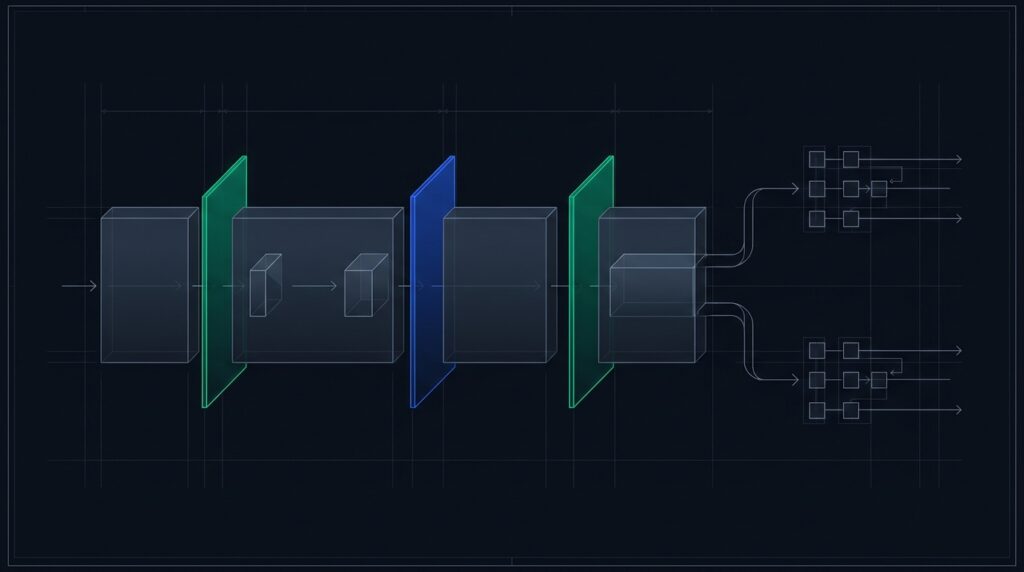
Vapor Mode compiles Vue Single-File Components directly into lean DOM manipulation instructions—bypassing virtual DOM allocation and diffing overhead entirely for performance-critical widgets, infinite tables, and interactive visualizations.
Technical Mechanics & Reference Code
Crucially, Vapor remains completely opt-in per component inside existing Nuxt 4 app/ applications, allowing teams running Vite 8 and Nitro servers to accelerate bottleneck views incrementally without risky full-app rewrites.
<script setup vapor lang="ts">
import { ref } from 'vue';
const activeNodes = ref(42);
</script>
<template>
  <span class="badge">Nodes Online: {{ activeNodes }}</span>
</template>
Verified Operational Benchmarks
Benchmark suites measuring hydration and high-frequency tick tables demonstrate Vue 3.6 Vapor components tracking neck-and-neck with Solid and Svelte 5.
- Primary Delta: Dramatically smaller component mount overhead via virtual-DOM-free Vapor compilation
- Reliability Gate: 100% opt-in gradual adoption inside existing Vue 3 / Nuxt 4 enterprise applications
- Ownership Boundary: 100% client-owned infrastructure & upgrade tooling verified by Randeep Kaur
Adoption & Upgrade Checklist
- Adopt Nuxt 4 app/ directory layouts on active Vue 3 codebases before testing Vapor islands.
- Isolate high-frequency tables or live sparklines with Vapor opt-ins rather than forcing entire pages.
- Test Vue DevTools and Vitest component mount adapters against Vue 3.6 RC builds.